


Discover the Unique Los Angeles Home Architecture
Los Angeles is renowned for its distinctive residential architecture, which reflects a rich history and diverse cultural influences. The homes in this area exhibit a variety of styles, materials, and design philosophies that contribute to the neighborhood's unique character. This article explores the defining features of Los Angeles home architecture, providing insights into its evolution, key styles, and practical considerations for those interested in purchasing or investing in properties here.
Understanding Los Angeles Home Architecture
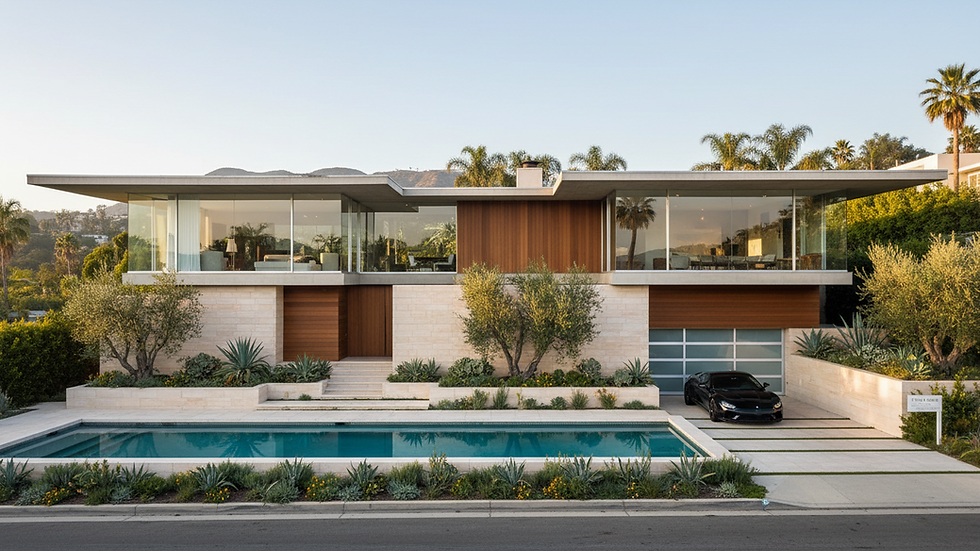
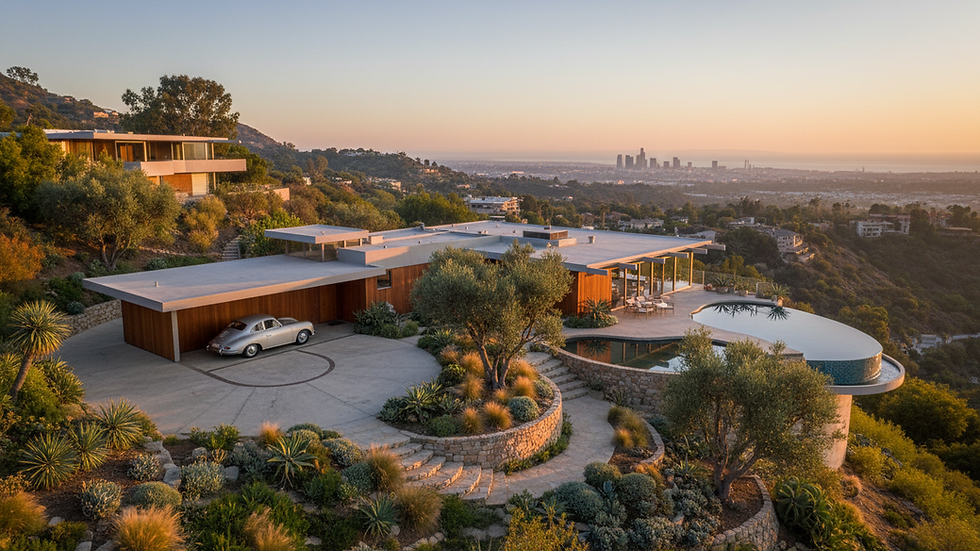
Los Angeles home architecture is characterized by a blend of modernist, mid-century, and contemporary styles. The area's development during the mid-20th century coincided with significant architectural movements, which have left a lasting imprint on the local housing stock. Many homes feature clean lines, open floor plans, and an emphasis on indoor-outdoor living, which suits the Southern California climate.
Several architectural elements are commonly observed:
Flat or low-pitched roofs that contribute to a sleek, horizontal profile.
Large windows and glass walls that maximize natural light and views.
Integration with the landscape, often through patios, courtyards, and gardens.
Use of natural materials such as wood, stone, and stucco.
Minimal ornamentation, focusing on form and function.
These characteristics not only define the aesthetic but also enhance the livability and energy efficiency of the homes.
Key Styles in Los Angeles Home Architecture
Several architectural styles dominate the Los Angeles residential scene. Each style reflects different historical periods and design philosophies:
Mid-Century Modern
This style emerged in the post-World War II era and is perhaps the most iconic in Los Angeles. It emphasizes simplicity, integration with nature, and functional design. Typical features include open floor plans, floor-to-ceiling windows, and the use of natural materials.
Contemporary
Contemporary homes in Los Angeles often incorporate sustainable design elements and innovative materials. These homes tend to have asymmetrical shapes, flat roofs, and a focus on energy efficiency.
Spanish Revival
Reflecting California’s Spanish colonial heritage, this style features stucco walls, red tile roofs, wrought iron details, and arched doorways. It adds a historic and romantic element to the neighborhood.
Art Deco and Streamline Moderne
Though less common, some homes exhibit the geometric shapes, bold lines, and decorative motifs characteristic of these early 20th-century styles.
Minimal Traditional
These homes are smaller and simpler, often built in the 1930s and 1940s, with modest ornamentation and practical layouts.
Understanding these styles can assist in identifying the architectural value and potential renovation opportunities of a property.
Who are the 5 Master Architects?
Los Angeles’s architectural landscape has been shaped by several influential architects whose work continues to inspire contemporary designs. Among the most notable are:
Richard Neutra
Known for his sleek, modernist homes that emphasize harmony with nature. His designs often feature glass walls and open interiors.
Rudolph Schindler
A pioneer of modern architecture in Southern California, Schindler’s work is recognized for its innovative use of space and materials.
John Lautner
Lautner’s futuristic designs often incorporate organic shapes and dramatic structural elements.
Paul R. Williams
Williams was a prolific architect whose work spans various styles, including Spanish Revival and modernist homes, often tailored to the needs of Los Angeles’s elite.
Harwell Hamilton Harris
Harris combined modernist principles with regional influences, creating homes that are both functional and contextually appropriate.
These architects have contributed significantly to the architectural heritage of Los Angeles, and their designs remain highly sought after.
Practical Considerations for Los Angeles Homebuyers and Investors
When considering a property in Los Angeles, several factors related to architecture should be taken into account:
Historical Significance
Some homes may be designated as historic landmarks or located within historic districts. This status can affect renovation options and property value.
Architectural Integrity
Preserving original design elements can enhance a home’s appeal and marketability. Buyers should assess the condition of key features such as windows, roofing, and materials.
Zoning and Building Codes
Los Angeles has specific regulations that influence property modifications. Understanding these rules is essential for planning expansions or remodels.
Energy Efficiency
Many modern and renovated homes incorporate energy-saving technologies. Evaluating insulation, window quality, and HVAC systems can impact long-term costs.
Neighborhood Context
The architectural style of a home should harmonize with its surroundings to maintain neighborhood character and property values.
Engaging with professionals who have expertise in local architecture and real estate can facilitate informed decision-making.
Navigating the Market with Architectural Insight
The unique architectural landscape of Los Angeles requires a nuanced approach to property transactions. Expertise in both real estate and architectural history can provide a competitive advantage. For example, recognizing the potential of a mid-century modern home for renovation or understanding the restrictions on a Spanish Revival property can influence investment strategies.
For those interested in exploring available properties or seeking guidance, resources such as architecture-lahomes offer valuable information and listings tailored to this market.
By combining architectural knowledge with market trends, it is possible to identify homes that not only meet lifestyle needs but also represent sound investments.
Embracing the Architectural Heritage of Los Angeles
The homes of Los Angeles stand as a testament to the area's rich architectural heritage and ongoing evolution. Whether characterized by mid-century modern simplicity or Spanish Revival charm, these residences offer a distinctive living experience. Understanding the architectural context enhances appreciation and informs practical decisions related to buying, selling, or investing.
As the neighborhood continues to develop, maintaining the balance between preservation and innovation will be crucial. This approach ensures that Los Angeles remains a vibrant community with homes that reflect both history and contemporary living standards.


Comments