


Unique Architectural Features of West Hollywood Homes - West Hollywood Architectural Insights
West Hollywood is renowned for its distinctive residential architecture, which reflects a blend of historical influences and modern design principles. The homes in this area exhibit a variety of unique architectural features that contribute to the neighborhood's character and appeal. This article explores these features in detail, providing insights into the styles, materials, and design elements that define West Hollywood residences.
Historical Influences on West Hollywood Architectural Insights
The architectural landscape of West Hollywood has been shaped by several historical periods, each leaving a distinct mark on the homes found in the area. Early 20th-century styles such as Spanish Colonial Revival and Art Deco are prevalent, often characterized by stucco walls, red tile roofs, and ornamental detailing. These elements were originally inspired by Mediterranean and European architecture, adapted to suit the Southern California climate.
For example, many homes feature arched doorways and windows, wrought iron balconies, and decorative tile work. These features not only enhance aesthetic appeal but also provide functional benefits such as natural ventilation and shade. The preservation of these historical elements is often prioritized in renovation projects, maintaining the architectural integrity of the neighborhood.
Modern Architectural Trends in West Hollywood Homes
In addition to historical styles, West Hollywood has embraced modern architectural trends that emphasize clean lines, open floor plans, and integration with the natural environment. Mid-century modern homes are particularly prominent, showcasing large glass windows, flat or low-pitched roofs, and an emphasis on indoor-outdoor living spaces.
These homes often incorporate sustainable materials and energy-efficient technologies, reflecting contemporary concerns about environmental impact. Features such as solar panels, green roofs, and advanced insulation systems are increasingly common. The use of natural materials like wood and stone is also notable, contributing to a harmonious relationship between the built environment and the surrounding landscape.

Distinctive Design Elements and Materials
West Hollywood homes are distinguished by several design elements and materials that contribute to their unique character. One such element is the extensive use of outdoor living spaces, including patios, balconies, and rooftop decks. These areas are often designed with privacy in mind, using landscaping and architectural screens to create secluded environments.
Materials such as stucco, concrete, and natural stone are commonly used for exterior finishes, providing durability and a variety of textures. Interior features often include exposed beams, polished concrete floors, and custom cabinetry, reflecting a blend of craftsmanship and modern aesthetics.
Lighting also plays a crucial role in the architectural design of these homes. Both natural and artificial lighting are carefully considered to enhance the ambiance and highlight architectural details. Large windows and skylights maximize daylight, while strategically placed fixtures provide warmth and focus during evening hours.
Practical Considerations in West Hollywood Home Architecture
When evaluating the architectural features of West Hollywood homes, practical considerations are essential. The region's Mediterranean climate influences design choices, encouraging features that promote natural cooling and ventilation. Overhangs, pergolas, and shaded courtyards are common solutions to mitigate heat gain.
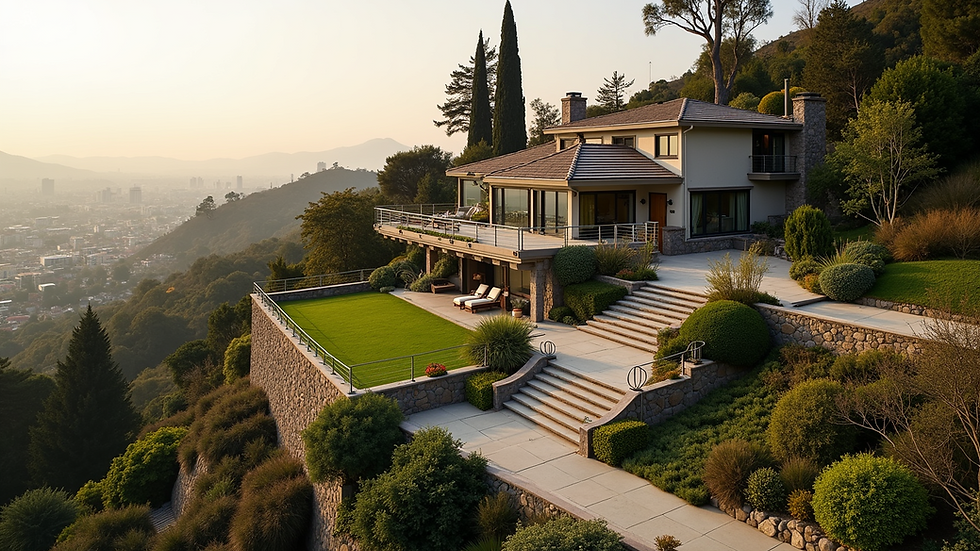
Additionally, the topography of West Hollywood, which includes hills and varied elevations, affects home design. Many residences are built on slopes, requiring innovative structural solutions such as terracing and retaining walls. These adaptations not only ensure stability but also create opportunities for unique landscaping and views.
Accessibility and functionality are also prioritized in modern renovations and new constructions. Open floor plans facilitate movement and social interaction, while smart home technologies are increasingly integrated to enhance convenience and security.
Navigating Architectural Choices with Expertise
Understanding the unique architectural features of West Hollywood homes is valuable for making informed decisions in property transactions. Whether purchasing, selling, or investing, attention to architectural details can influence property value and appeal. It is advisable to consult professionals who possess both real estate expertise and architectural insight.
For instance, working with specialists familiar with the local styles and construction methods can aid in identifying homes with desirable features or potential for renovation. Additionally, knowledge of zoning regulations and preservation guidelines is crucial when considering modifications to existing structures.
In this context, resources such as architecture-lahomes west hollywood provide comprehensive information and services that bridge the gap between architectural understanding and real estate needs. Leveraging such expertise can facilitate smoother transactions and better outcomes.
Architectural Features as a Reflection of Lifestyle
The architectural characteristics of West Hollywood homes often reflect the lifestyle preferences of their occupants. Emphasis on indoor-outdoor living spaces, for example, aligns with a culture that values social gatherings and connection with nature. Similarly, the integration of sustainable design elements corresponds with growing environmental awareness.
Homebuyers and investors should consider how architectural features support or enhance their intended use of the property. Features such as flexible floor plans, ample natural light, and outdoor amenities can significantly impact daily living and long-term satisfaction.
In summary, the unique architectural features of West Hollywood homes represent a confluence of historical heritage, modern innovation, and practical adaptation. A thorough understanding of these elements is essential for making well-informed real estate decisions in this dynamic market.


Comments